
How We Handle Tenant Turnover Without It Costing You a Month of Rent

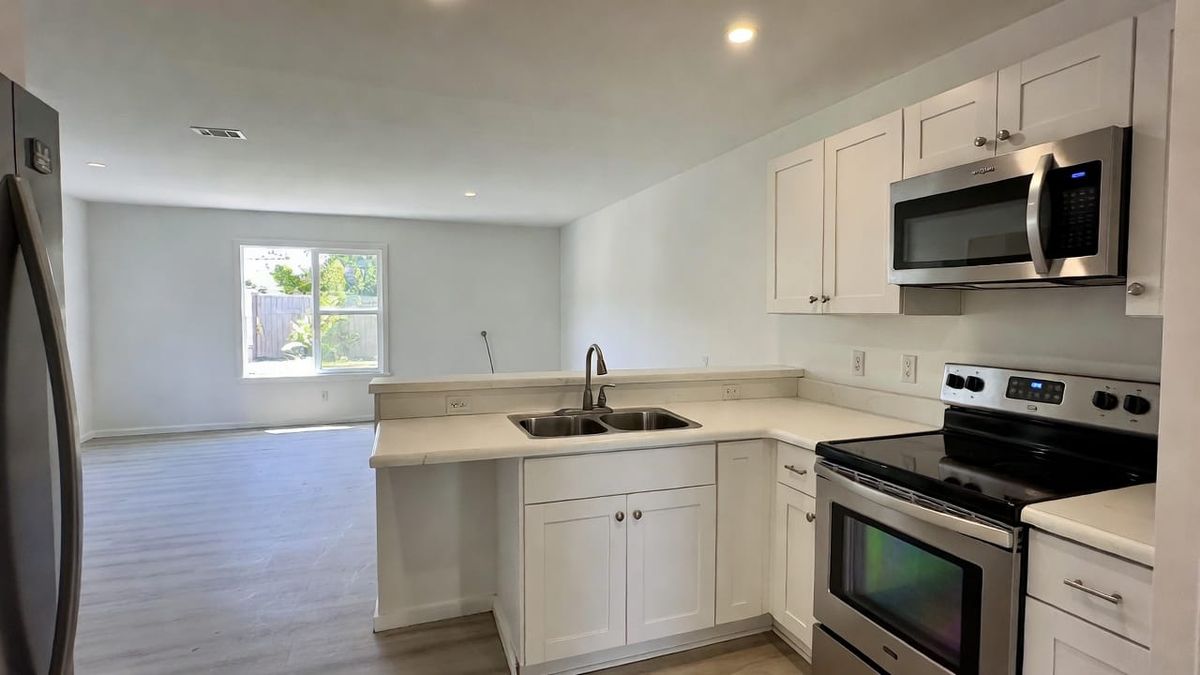
A vacant rental is the single biggest expense in this business. One empty month on a $1,500 house is $1,500 gone, and you don't get it back by raising rent $25 next year. The way to protect against that loss is not luck. It's a tight turnover process that starts weeks before the tenant moves out.
The clock starts at the notice, not the move-out. Under Texas Property Code § 92.016 and related lease provisions, notice timelines govern how turnover begins. Our lease requires tenants to give written notice of intent to vacate 60 days before their lease ends. That 60-day window is where turnover costs are won or lost. The moment a tenant confirms they're leaving, we start a parallel track: one side is the current tenant moving out, the other is the next tenant moving in. If those two tracks run end-to-end instead of side-by-side, you lose a month of rent.
As soon as we receive notice, we reach out to the current tenant. This gives us three things: a current condition report, a punch list of what the make-ready will require, and, if needed, interior photos we can use for marketing while the home is still occupied.
Then we list it. In many Lubbock neighborhoods we can advertise a home as "available [date]" four to six weeks before it's vacant. In Tech Terrace and the medical district during the May-through-August Texas Tech cycle, that lead time matters even more because quality applicants are shopping on a schedule tied to the academic calendar. Showings are coordinated with the existing tenant under the 24-hour notice standard in their lease. By the time keys come back, we usually have a signed lease and a confirmed move-in date for the incoming tenant.
Make-ready in days, not weeks. The make-ready itself is where most self-managing owners lose time — one contractor at a time, no overlap, no deadline. We run make-readies with vendor crews scheduled back-to-back the day keys come back:
- Day 1: Trash-out, deep clean start, HVAC check (critical in Lubbock summers)
- Day 2-3: Paint touch-up or full repaint, carpet clean or replace
- Day 3-4: Punch-list repairs, plumbing check for the winter freeze season
- Day 5: Final clean, photos, move-in inspection ready
A standard turn in a well-kept home runs five to seven business days. A heavier turn with carpet replacement, interior paint, and appliance work can push to two weeks. Either way, because marketing started 30 to 45 days earlier, the incoming tenant is usually ready to sign the lease the week make-ready wraps.
When the gap can't be zero. Sometimes a gap is unavoidable. A tenant breaks lease mid-winter when demand is slower. A home needs a new roof or an HVAC replacement that takes two weeks on parts. In those cases, honesty beats optimism. We give owners the realistic re-lease date and the realistic cost, and we don't advertise a home we can't deliver on the promised date.
Our turnover process is built on the 60-day notice, pre-listing during occupancy, and a vendor rotation that keeps make-ready inside a single week whenever the condition allows. The goal on every turn is a signed lease before keys come back and a cleaned, inspected home within days of the previous tenant leaving. That's how you avoid losing a month of rent to an empty calendar.