
How We Market Vacant Properties

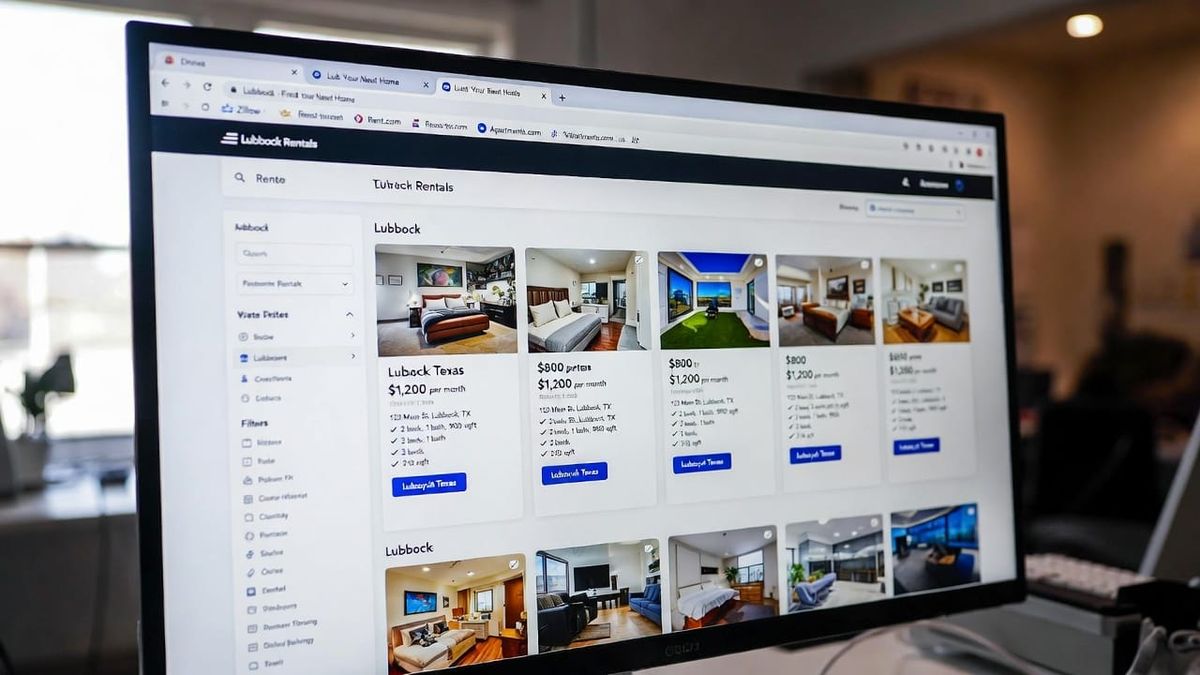
A vacant property costs money every day it sits empty. At current Lubbock rents, a $1,400/month single-family home loses roughly $46 in gross rent per day of vacancy — before you account for utilities, lawn care, and the mortgage that does not pause. That math is why marketing a rental is a process, not a Craigslist post.
Here is how Meridian gets a vacant home listed, seen, and leased.
Pricing before photos. Before we write a single line of copy, we set the rent. We pull recent lease comps for the specific submarket. Tech Terrace looks nothing like Wolfforth, and a three-bedroom near UMC prices differently than the same floor plan south of 98th Street. Citywide medians are close to useless until you narrow to bedroom count, square footage, condition, and neighborhood.
Pricing too high is the most expensive mistake a landlord makes. Two weeks of overpricing costs more than $50–$75/month in "found" rent, and the listing goes stale in the search algorithms. We price to lease in 14–21 days during peak season and adjust within the first week if showing traffic is weak.
Photography standards. Every Meridian listing gets professional-quality photos before it goes live. That means wide-angle interior shots at eye level (not phone snapshots from the doorway), every room including laundry and garage, exterior front and back yard, and bright, evenly lit rooms with shades open and lights on. Listings with weak photos get fewer clicks, and fewer clicks means fewer showings. Zillow's rental network reaches millions of renters each month, but only if your thumbnail earns the click.
Where the listing goes. Once photos and copy are ready, the listing syndicates through our property management software to the major rental networks: the Zillow Rentals network (Zillow, Trulia, and HotPads), Apartments.com, Zumper, Realtor.com, Rent.com, and our own website. One clean listing, distributed everywhere prospective tenants actually search.
Syndication is a passive process. Listing information gets published, and the networks read it on their own schedule, which means it can take several hours for a new listing or changes to appear. We build that lag into our go-live dates so the listing is fully live before we push social and referral traffic.
The showing process is where speed matters most. We use self-showing technology for pre-qualified prospects. Interested renters register, pass an ID and fraud check, and receive a time-limited code to tour the property on their own schedule, including evenings and Saturdays when working renters actually look. Every entry is logged. For applicants who prefer a guided tour or who have questions about the neighborhood, schools, or lease terms, our leasing staff schedules in-person showings during business hours. Feedback from every showing gets logged so we can spot patterns. If six people tour and nobody applies, something is off with price, condition, or the expectations the listing set.
Once an application comes in, we run credit, background, eviction history, income verification, and prior landlord references. Qualified applicants sign a Texas-compliant lease, pay the security deposit and first month's rent, and receive move-in instructions before keys change hands.
At Meridian, marketing a vacancy is a repeatable process across our 400-property portfolio, not a one-off scramble. Every day of vacancy we save an owner is real money back in the bank, and that discipline is what a professional management fee actually buys.