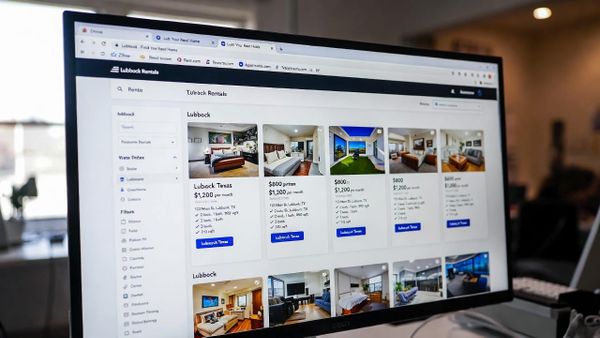
How We Screen Tenants — and Why Our Standards Protect Your Investment

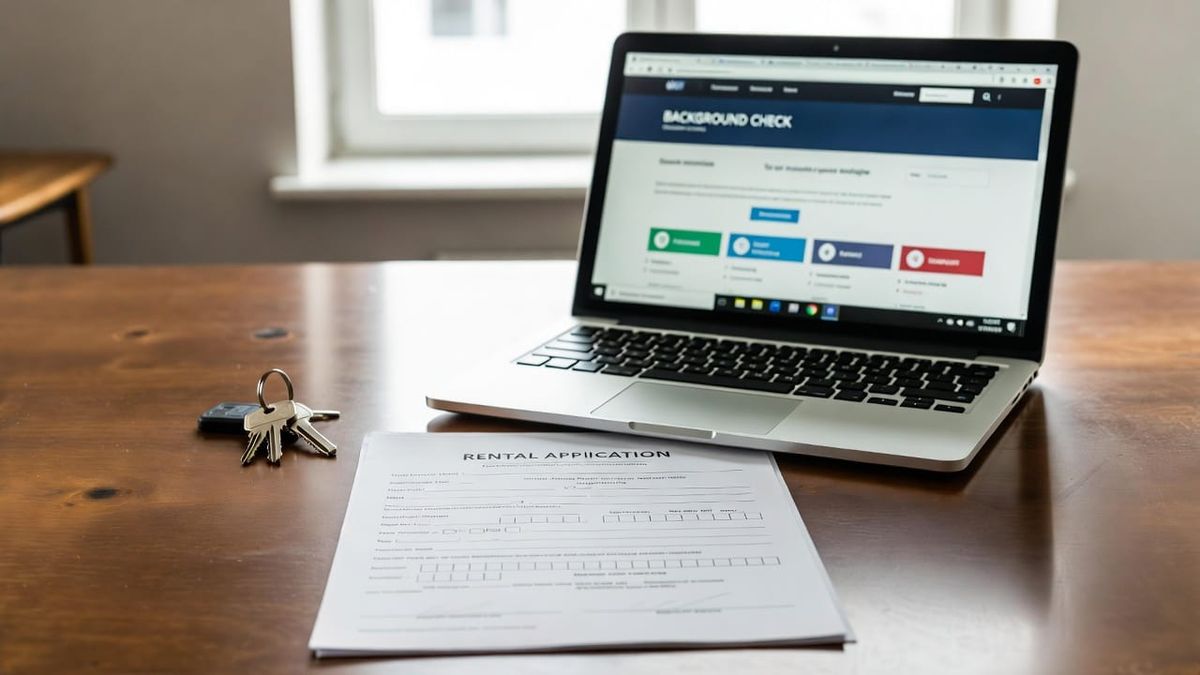
A rejected tenant costs nothing. A bad tenant costs thousands. That's why tenant screening is the highest-leverage decision in property management — and why getting it right matters more than any other process.
The Four Pillars of Tenant Screening
Effective screening examines four areas: credit history, income verification, rental history, and criminal background. Each tells part of the story. Together, they predict whether someone will pay rent on time and maintain your property.
Credit tells you about financial habits. A credit score below 600 signals payment problems — missed bills, collections, or worse. But the score alone isn't everything. Recent bankruptcies matter more than old medical debt. Multiple recent collections from apartment complexes? Red flag. One old utility bill? Less concerning. The pattern matters as much as the number.
Income verification prevents future payment problems. The standard rule: monthly income must equal three times the rent. For a $1,200 rental, that means $3,600 monthly gross income. Pay stubs, bank statements, or employer verification all work. Self-employed applicants need tax returns or 12 months of bank statements showing consistent deposits. No exceptions on the ratio — tenants spending more than 33% of income on rent face higher eviction rates.
Rental history reveals tenant behavior. Previous landlords tell the truth that references won't. Did they pay on time? Give proper notice when moving? Leave the property clean? One late payment in three years means nothing. Monthly late payments mean everything. Eviction history is usually disqualifying — tenants who've been evicted once have a 50% chance of being evicted again.
Background checks protect property and neighbors. Texas law allows screening for criminal history, with limits. Violent crimes and property crimes matter most. Drug manufacturing or distribution charges indicate property damage risk. The timeframe counts — a 10-year-old misdemeanor weighs differently than last year's felony.
Why Standards Matter
Lubbock's rental market stays hot. For properties under $1,500 monthly, qualified applicants outnumber available homes. This seller's market makes it tempting to relax standards when someone offers extra deposits or advance rent. Don't.
Every lowered standard increases risk. Accept someone with recent evictions? Expect late rent. Overlook income requirements? Prepare for payment struggles when their car needs repairs. Skip the background check? Risk property damage or neighbor complaints.
The numbers prove it: properties with properly screened tenants average 95% on-time payment rates. Properties where standards were bent? That drops to 78%. The difference compounds monthly.
Texas-Specific Screening Rules
Texas Fair Housing laws prohibit discrimination but allow legitimate business criteria. Document every decision. Apply standards consistently. Never make exceptions based on protected classes or personal feelings.
Source of income matters in some cities, but Lubbock has no source-of-income protection ordinance. Section 8 vouchers can be declined. Student loan money counts as income if documented. Cosigners must meet the same credit and income standards as primary applicants.
Meridian's screening process typically takes 24-48 hours from complete application to decision. We verify every piece of information, check all references, and document all findings. When we decline an applicant, we provide adverse action notices as required by federal law. This process protects both your investment and our ability to defend every housing decision.