What Landlord Insurance Actually Covers (And What It Doesn't)

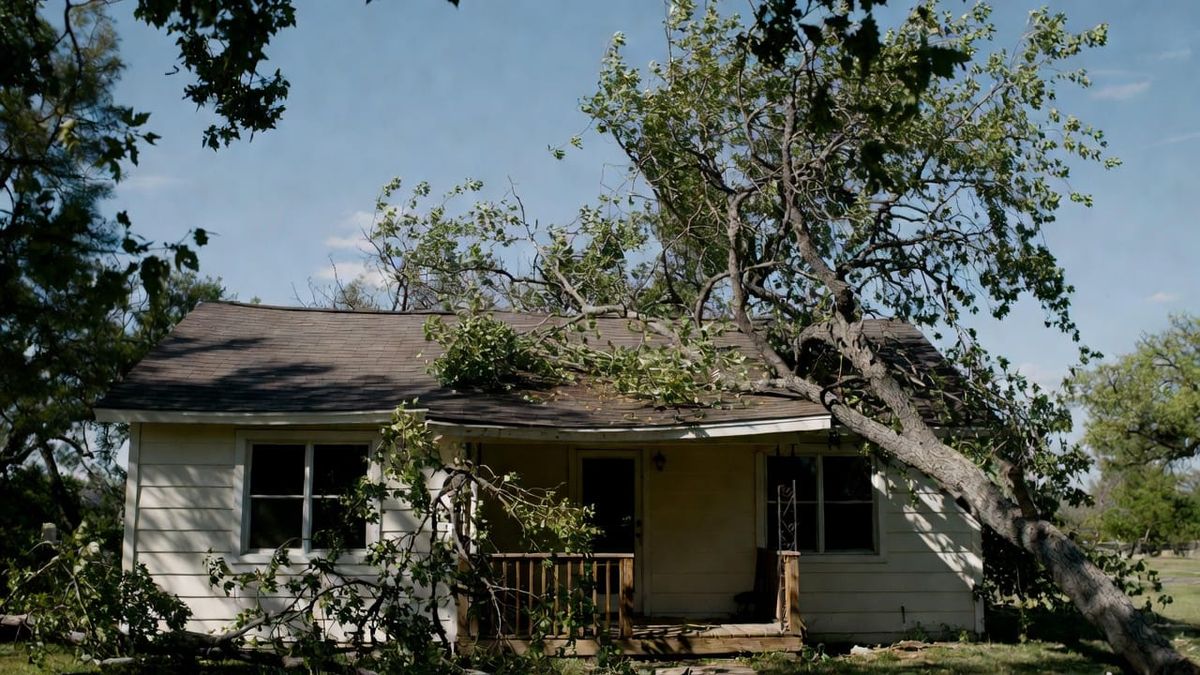
Most rental property owners in Lubbock carry insurance they've never actually read. Then a hailstorm hits, a pipe bursts, or a tenant sues — and they find out their policy doesn't cover what they thought it did.
The Policy You Actually Need
If you rent out a house, your standard homeowners policy (an HO-3) will not protect you. Homeowners insurance covers owner-occupied homes. Landlord insurance covers tenant-occupied properties and includes loss of rent, landlord liability, and protection for tenant-caused damage.
The most common landlord policy in Texas is a DP-3. It is an open-peril plan, meaning damage is covered unless specifically excluded, it pays claims at replacement cost value, and it includes fair rental and liability coverage. That's the policy you want. DP-1 and DP-2 forms exist, but they cover fewer events and frequently pay out at actual cash value, meaning depreciation gets subtracted from your check.
The Four Coverages That Matter
Dwelling (Coverage A) rebuilds the structure after a covered loss. Make sure the limit reflects current Lubbock rebuild costs, not the price you paid in 2018.
Liability pays when a tenant or guest is injured at the property and sues. $300,000 is a common starting point; $500,000 or a separate umbrella policy is smarter for owners with multiple properties.
Loss of Rent (Fair Rental Value) pays the landlord when a covered claim — fire, water damage, or storm repairs — makes the home unlivable, and reimburses lost rent during the repair period up to 12 months. If a kitchen fire takes a Tech Terrace duplex offline for four months, this is the coverage that keeps the mortgage paid.
Other Structures covers detached garages, fences, and sheds. After Lubbock's June 2025 hailstorm, a lot of owners discovered their fence damage fell under this line, not dwelling.
What's Not Covered
Three exclusions catch Lubbock owners off guard every year.
Flood is never included in a DP-3. Lenders require flood insurance for homes in FEMA high-risk zones; outside those zones it's optional. Playa lake overflow and heavy May rain events have flooded homes well outside mapped flood zones, so optional doesn't mean unnecessary.
Wind and hail deductibles are the big one in West Texas. Most Texas carriers now use 2% wind/hail deductibles as standard, and your deductible is calculated from Coverage A — the dwelling amount — not your home's market value. On a home insured for $300,000, that's a $6,000 out-of-pocket hit before the carrier pays a dollar. Most carriers no longer offer 1% in West Texas.
ACV roof endorsements are another trap. Homes with roofs older than 15–20 years frequently receive ACV roof coverage, which means depreciation gets subtracted from any hail claim payout. Combined with a 2% deductible, that can double or triple your out-of-pocket cost compared to RCV. If you bought a rental with an older roof, ask your agent in writing whether the roof is on ACV or RCV.
Tenant property and intentional damage are also excluded. Your policy will not replace your tenant's belongings — that's what renter's insurance is for — and while a DP-3 covers accidental tenant-caused damage like kitchen fires or broken windows, intentional damage, neglect, and long-term unrepaired leaks are excluded.
Lubbock's hail season runs March through June. Pull your declarations page now and confirm three things: your dwelling limit reflects current rebuild costs, your roof is on RCV (not ACV), and your loss-of-rent limit covers at least 12 months at today's market rate.
Meridian doesn't sell insurance, but we can help owners spot the gaps. When we onboard a new property, we can review the declarations page and flag obvious problems — outdated dwelling limits, missing loss-of-rent coverage, or policies still listed as homeowners. Catching that before a claim costs nothing. Catching it after costs thousands.